

Leaderboard
-
kotoy
Members7Points76Posts -
ionut_marius
Members3Points2331Posts -
Soul77
Members3Points91Posts -
B-490-RZV
Members2Points2267Posts


Popular Content
Showing content with the highest reputation on 07/20/16 in all areas
-
2 points"Suspensia reglabila" este de fapt modul eco/comfort/sport, toti scriu asa in anunturi . KM spune ca sunt reali, deci nu este ceva pus "la misto" in anunt. Problema este ca e cam departe doar sa ma duc sa o vad, astept prima data VIN-ul sa verific istoricul. Din prima parte a VIN-ului, masina pare produsa in Martie 2011, acum sa vedem daca este corect sau nu.2 points
-
2 pointsMartorul in general este de la: presiune roti, lichid parbiz etc. Nu este eroare de motor.2 points
-
2 pointsCe are ala acolo e fix nuca in perete. Si-a pus un user de pe forum tableta si a integrat-o deasupra grilelor de ventilatie cu un suport printat 3d parca, nu mai stiu despre cine este vorba. Arata decent, mult mai bine decat ce e postat mai sus. Dar dintre toate variantele si original, clar original e alegerea cea mai potrivita. Vad ca mai ai un topic cum ca iti cauti masina de acum 3 zile. Nu stiu daca ai gasit-o asa repede si intrebi pentru ca nu are navi sau intrebi doar asa sa iti faci o idee pentru viitoare achizitie...dar ce vreau sa spun e ca in cautarea unei E90 sau orice alta masina (dar mai ales E90 unde am vazut ca printre nestiutori "Are navi?" e un fel de intrebare fatala, daca are e full daca n-are e chelitura ordinara) navi ar fi printre ultimele criterii in alegerea masinii...cel putin din punctul meu de vedere. Ok ii da un plus de imagine, in rest? Prefer niste scaune sport in loc de navi, ca pe ele stau la urma urmei sau alte dotari care ma ajuta mult mai mult. In tara nu te ratastesti oricum si daca ai de facut un drum din cand in cand prin Europa, orice GPS decent te salveaza.2 points
-
2 pointsMersul pe timp de iarna nu inseamna doar sa te afunzi in zapada, mai inseamna si porniri din rampa pe carosabil alunecos, mai inseamna si mers pe serpentine, pe polei, sleauri etc. In absolut toate cazurile greutatea considerabil mai mare, centrul de greutate ridicat si anvelopele late vor fi ca o piedica. Intr-adevar sunt posesori de suv-uri fwd care sunt f multumiti, numai ca masinile lor noi au costat chiar si sub 20k euro si sunt considerabil mai usoare. Un Suzuki Vitara fwd costa 17k euro nou, are 1.2t si latimea anvelopelor 215. Pret si greutate de compacta noua dar cu garda la sol, spatiu si pozitie la volan de suv compact. Un X5 2.5sd costa peste 40k euro sh, are peste 2t si latimea anvelopelor 255. Sa nu mai zic ca este penibil sa ramai cu ditamai X5-ul impotmolit pe o straduta din Buc sau sa te chinui sa urnesti animalul din loc pe dealul de la Cotroceni.2 points
-
Salutare! As dori si eu sa ma ajutati cu sfaturi si pareri pentru problema care o am. Am un bmw F30 din 2012 cu faruri standard fara xenon si angel eyes. As dori sa ii pun angel eyes si xenon sau m-am gandit si la varianta cu faruri aftermarket, am gasit ceva pe ebay dar nu stiu ce sa aleg sau ce optiuni as mai avea. Vreau sa precizez ca nu vreau sa ii pun faruri cu xenon de fabrica, m-am gandit doar la lupe+xenon montate in farurile mele. Astept pareri si sfaturi. Multumesc, Sent from my iPhone using Tapatalk1 point
-
1 pointTu mai crezi ce scrie in carte? Adauga 2 l la consumul din carte tot timpul Sent from my iPhone using Tapatalk1 point
-
1 point
-
1 point
-
1 point
-
Ce pĂŁrere aveți de mașinĂŁ asta? Nu arĂŁta rĂŁu dar mi se pare scumpa1 point
-
http://autovit.ro/anunt/bmw-seria-5-520-ID7GhVzt.html#7b4c70f3a0 Cunoaste cineva vanzatorul? Am cautat numarul pe net si am vazut ca a vandut destul de multe masini. AStept o serie de sasiu si fac si un decode sa vedem daca reviziile sunt reale. Late edit: am gasit un anunt mai vechi cu aceeasi masina. Uimitor nici acum nu a ajuns masina in tara, deci e ceva suspect aici. http://bucuresti.cracker.com/AutosForSale/bmw-seria-5-520-40740461860/32800111 point
-
1 point
-
Exact asta vreau sa fac(momentan la solutia asta sa pun niste becuri care incearca sa se numeasca "angel eyes" si "xenon" am o varianta convenabila), dar cum am scris mai sus astept si alte pareri/sfaturi (legate strict de faruri xenon de fabrica/ faruri aftermarket sau lupe+angeleyes in farurile mele)...dar nu inteleg cu ce te deranjeaza pe tine ce fac eu la masina mea ? Daca ai un sfat despre ce este vorba in topic este binevenit...postari aiurea poate face oricine. Multumesc1 point
-
Corect. Mi-a scapat VIN-ul din ultima poza. Dar da, volanul si Navi au fost schimbate. Late edit: nici cadranele din bord nu sunt originale.1 point
-
1 pointNu ti-a recomandat nimeni sa-ti iei un E sau o alta limuzina. Lumea ti-a spus ca daca tot iti cumperi X5 nou sa-l iei cu xDrive. Noi am inteles ca-ti place tractiunea spate ca e mai fun dar cred ca cel mai bine e sa testezi ambele variante si foarte important cu aceeasi motorizare. Nu compara cu Land Cruiser. La BMW X tractiunea e 40% fata si 60% spate variind pina la 100% intre punti. Deci in mod normal tot spatele o sa-l simti impingand. Nu-ti recomand varianta de motorizare 2.0 biturbo. Masina e mare, grea, aerodinamica de dulap si n-o sa ai cine stie ce economii fata de un motor de 3L. Singura diferenta majora e la impozitul anual dar nu cred ca se pune problema in cazul tau raportat la cat dai pe masina noua. Tractiunea integrala nu inseamna doar mers iarna pe zapada ci si accelerari/stabilitate mai bune pe un SUV. E drept nu e la fel de FUN ca un RWD. Fa testul cum ti-am spus cu ambele modele si-o sa te convingi. Apoi incearca si un minim 3.0 258cp ...si n-o sa te mai intorci la sD 2.5 Asteptam impresii dupa teste. Succes!1 point
-
1 pointnu este nici o polemica, era doar opinia mea la afirmatia ca nu ramane praf intre placute si disc.1 point
-
In 3 ani a facut 9k km?Nu este imposibil dar in postura de cumparator e greu de crezut.Poate aflii cati proprietari a avut in De si atunci iti poti da seama de anumite lucruri.1 point
-
Era suficient sa dai o cautare pe google dupa numarul de telefon, ca sa te dumiresti... Nu uita totusi, la Fiat, ti se strica un motoras de la climatizare, iti mai gajaie un difuzor, fleacuri d-astea....stii tu. La BMW, se rupe lantu', asa ca-l schimbi mai des ca pe o curea de cauciuc...apoi, ba nu mai trage cum trebuie, ba apar batai in volan, etc. Cand apare o duma d-asta, stai x luni in cumpana, prin diverse service-uri, sa-si dea toti agaricii cu parerea, despre posibila cauza, apoi incepi si schimbi piese, constati ca nu era de la ele, si tot asa...cea mai faina distractie, masina devine centrul universului tau.1 point
-
http://autovit.ro/anunt/bmw-seria-5-520-ID7GhYrx.html#7b4c70f3a0 Ce parere aveti de ultima poza? Am vazut ca apare o eroare de "outdated key data", din cate stiu eu apare in momentul in care sunt dati km inapoi. De asemenea, vad ca ultima e marcata ca intrare in service, nu ca revizie cum spune in anunt.1 point
-
1 pointPlacutele de frana "ceramice" au un singur avantaj: Reduc semnificativ praful acela negru/gri inchis care se depune pe janta, ca urmare a franarii. In rest, priza este identica. Legat de discurile sport (perforate sau cu nervuri), aceste caracteristici au rolul de a elimina gazele rezultate in urma franarii, eliminand/intarziind total sau partial efectul 'brake fade" .1 point
-
1 pointsi aia care cer preturile care le.am scris eu acolo tot oem sunt doar ca nu le-an gasit gramada! nu cred ca aia sunt in foame de bani sunt doar oameni corecti! nu ai deloc dreptate sunt unele piese care chiar trebuie sa pui oem dar mai sunt si piese care nu au importanta prea mare si nu are rost sa dai banii doar pe firma! eu mai repar masini si am lucrat si in service stiu cu ce se mananca toate astea! cred ca ma injurat cineva : )) am fost pana la magazin si mi sa spart un furtun la servo! dar o sa le cumpar din alta parte aici slabe sanse!1 point
-
Frumoasa si foarte ingrijita masina si spor la vanzare. Acum ca o observatie pur personala si sper sa nu se supere nimeni, cel care cauta un E46 la 8000 de euro probabil nu cauta un 320d si cel ce cauta o masina de 8000 de euro probabil nu se va uita la un E46 320d.1 point
-
Exact asta as vrea dar as vrea ceva pareri de la cine mai are asa ceva sau sa aflu daca mai am si alte variante pentru ca am inteles ca nu te mai poti intoarce la faruri normale daca faci modificarea decat cu alte faruri. Sent from my iPhone using Tapatalk1 point
-
Se aburesc si originalele , insa da , cele originale sunt mai bune.1 point
-
https://mega.nz/#!XE9VhQDS!YN2XObZyXBTkNFKAkfff9vYvFZNFOCgFjT0BsUtr_Ss1 point
-
Vascozitatea nu este singura proprietare a uleiului , tind sa cred ca lantul ramanea uns cu 5w30. Cand am sa fac schimbul cu 5w30 am sa revin cu informatii.1 point
-
1 pointTot asa zic de 6 luni inca putin si ma bucur de ea....sper sa mai prind ceva din vara :frantics:
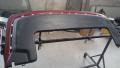
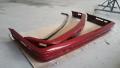
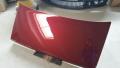
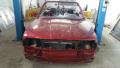
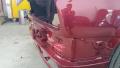
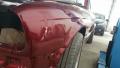
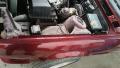
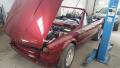
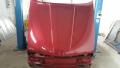
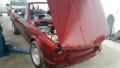
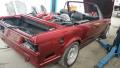
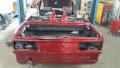
 1 point
-
Eu am astfel de tapițerie si este ok ușor de ĂŽntreținut. Cumperi de la lidl niste șervețele pt ĂŽntreținere piele si totul este ok.Dupa ce o sĂŁ ai astfel de tapițerie crede ma ca alta culoare numai vrei1 point
-
1 point
-
1 pointNu mai comparati X5 cu seria 3 sau clasa C, sunt masini mult mai usoare, majoritatea avand pt iarna anvelope pe 16 cu latimea de 205. Sa nu mai zic ca una este sa dai 10-15k euro pe un seria 3 sh si alta 45k euro pe un suv sh si sa stai cu morcovul la fund cand nu isi fac drumarii treaba. Asta pt ca nu ai prins o iarna in adevaratul sens al cuvantului. Au fost locuri in care pur si simplu X6-le se intepenea si nici vb de mers pe camp ci pe stradute in Buc (au fost ierni in Buc cand zapada trecea de prezoane), am dat cu spatele, mi-am luat avant si am trecut. Pe serpentine (Lacul Rosu, chiar si intre Poiana si Rasnov) au fost momente in care eram nevoit sa opresc in rampa, la plecare palpaia esp-ul de 3-4 ori (sa nu va inchipuiti ca acceleram la podea, plecam normal), toate acestea cu o masina awd, echipata de iarna, ce pana mea faceam daca suvul era rwd ? Am prins freezing rain in Ulm (Germania) de sf Ion (zi libera la ei), nimeni nu daduse cu nimic la primele ore ale diminetii, am fost singura masina care a putut sa iasa din parcarea subterana, la fel martorul esp din bord a palpait de cateva ori. Daca compar X6 cu X1 pe curbe, pe carosabil ud/uscat, X6 se descurca mai bine insa pe zapada/gheata, x1 este mai bun. Cele 5-600kg in minus isi spun cuvantul. Ambele masini fiind echipate cu dunlop m3. @initiator, din punctul meu de vedere, daca tot renunti la plecera de a conduce o limuzina si te inhami si la costuri mai mari de exploatare, cumpara un suv cu tractiune integrala. Gandeste-te si la revanzare. Gandeste-te ca ar fi penibil sa ramai intepenit in parcare sau pe o straduta din Buc iar pe langa tine sa treaca fluierand cine stie ce fwd mai inalt care costa de 10 ori mai putin.1 point
-
Ai fost cu masina mea si nu stiu eu? Pe langa asta, tu ai inteles ca tot ce am lucrat eu la masina a fost sa schimb barile? Eu zic sa te abtii sa emiti pareri aiurea nefondate: nu ne cunoastem, nu ai vazut masina, am schimbat o gramada de piese noi, printre care multe originale. Si daca a fost schimbat motorul ce are? E piesa de schimb, are acelasi cod...te legi de prostii. Daca a cedat pistonul dupa ce a avut clapeta aspirata ce era sa fac? Carpeala sa schimb doar pistonul cum fac multi?1 point
-
1 point
-
1 pointStimabile, nu stiu in ce manual ai gasit tu datele acestea dar la 340i eu nu am gasit asta, apare doar atat: Average fuel consumption The average fuel consumption is calculated for the period while the engine is running. The average fuel consumption is calculated for the distance traveled since the last reset by the on-board comupter. Gasesti manualul masinii aici: http://www.bmwusa.com/Standard/Content/Owner/OwnersManualVideos.aspx?namodelcode=163Z In coditiile in care masina este utilizata 60/40 extraurban /urban si cu o talpa destul de usoara consumul acela este departe de a fi o lauda sau aproape de ce spune producatorul referitor la consumul mixt. Din pacate se pare ca nu poti intelege un simplu concept, consumul mediu din viata reala este un mix dintre viteza medie, distanta parcursa si stilul de mers. Oricum este amuzant ca iti permiti sa afirmi "Deci nu e nimic credibil, ce arati tu acolo Mai bine iti faci calculul cati bani scoti din buzunar cand alimentezi, nu ce vezi tu pe bord" Nu fi asa de sigur ca in cei 3750 km ai masinii am bagat mai multa benzina decat ce indica masina.1 point
-
1 pointPrietene , coboara cu picioarele pe pamant Ceea ce arati tu acolo este o iluzie frumoasa :frantics: Tu nu ai mai resetat calculatorul de vre-o 3700 km. asa ca.... ce vorbim. Deci nu e nimic credibil, ce arati tu acolo Mai bine iti faci calculul cati bani scoti din buzunar cand alimentezi, nu ce vezi tu pe bord Reseteaza calculatorul ( KM.ORE,etc) ORI DE CATE ORI ALIMENTEZI si iti spun eu ca vei avea o surpriza ( horor) , cand o sa vezi consumul afisat. Cum vrei sa calculeze real calculatorul masinii, cand tu alimentezi peste calculul vechi Nu o sa faca niciodata calculul corect, la consum. Doar scrie si in cartea masinii, la fiecare alimentare resetati BC-ul. Ia bifeaza tu reset automatically, sa vezi ca dupa aceea o sa spui ca s-a stricat masina si a inceput sa consume mult. Oricum si cu consumul mixt de 11 care ti-l arata, real ai vre-o 18 consum in oras, pentru ca la tine calculatorul nu mai stie sa faca consumul, deoarece tu alimentezi peste si nu resetezi BC-ul.1 point
-
1 pointmotorul este identic cu cel de pe seria3, seria 5 ,seria1 deci implicit are problema cu distributia. Altfel, mie mi s-a parut cam lesinata masina la viteze peste 120, ceea ce e normal avand in vedere aerodinamica sa si greutatea in plus fata de un seria 3, seria 5. Ca si consum, la viteze de autostrada, asteapta-te la minim 8,5 litri. Probabil daca o alergi cu 160 se duce in 10 11. In oras probabil un 11-12 ar fi plauzibil. Vorbim de cifre reale, nu de povestile pescaresti de pe forum.1 point
-
A se ĂŽnțelege ca distribuția a fost schimbata de cĂŁtre Service Scream (Tezparii) BMW. Am omis sa precizez1 point
-
Asta da anunt de forum )))))))) Pai usor avariata? Masina aia nu mai iese la linie niciodata.1 point
-
1 pointtu sigur traiesti in germania? eu sant medic stomatolog. marea masa a pacientilor, care au muncit vreo 40 de ani, au o pensie de ca. 1000. nu ca sa ma dau barosan, dar platesc pensie din 92 si in anul 2033 am sa am ca 3700 euro pensie. asta la 1350 pe luna cotizatie sau pt tine ca tot esti specialist BEITRAG!1 point
-
1 pointca sĂŁ dai jos polița trebuie urmĂŁtoarele: 1. trebuie date jos cele douĂŁ ornamente de pe stâlpi spate pe care sunt montate cele douĂŁ lĂŁmpi din spate. 2. rabatezi bancheta complet și ai sĂŁ observi cĂŁ polița spate este prinsĂŁ cu ajutorul a 5 piese din plastic cu miez care se poate apĂŁsa. 3. dai jos masca de la difuzoare. 4. demontezi cele 3 suruburi cu care este prins fiecare difuzor 5.tragi ușor ĂŽn fațĂŁ de polițĂŁ1 point
-
Sal Motorul rontaie daca mergi subturat si in ture se aude destul de puternic Zgomotul de rulare se aude in functie de calitatea asfaltului, totusi ceva mai puternic ca la un e60 de ex Din articulatii nu se aude nici un fel de zgomot dar se vede clar ca nu ii plac gropile, este putin cam rigid Cand depasesti 100km/h zgomotul motorului dispare, este acoperit de zgomotul de rulare, si de obicei dupa 2000rpm zgomotul scade in intensitate In rest nu scrie TwinPower Turbo degeaba pe el... mai ales in modul Sport PS Am impresia ca pe Eco-Pro se aude mai puternic motorul decat in modul Comfort sau Sport0 points
-
0 pointsEste/face parte din procedeul numit beding. Procedeu in care intr-un anumit numar de km... franarea pana la oprire trebuie evitata! Pentru ca discurile incingandu-se (nefiind "calite"...) se pot deforma sub influienta caldurii mari si mai ales pentru ca apar diferente mari de temperatura in disc care il pot deforma! Unde? Pai sa presupunem realistic vorbind intre portiunea/partea de disc stransa de placute (sau, chiar intre placute si disc eliberat..) pana la oprire, si restul discului.. Foarte probabil "ovalizarea" nu e vazuta cu ochiul liber ci simtita cu ocazia franarii. Asadar, fara beding facut asteptati-va la surprize mai ales daca discurile nu au reputatie cat de cat.. ..Sigur ca mai pot fi si alte aspecte de tinut seama, cum ar fi tijele si ghidajele etrierului sa fie curate; tijele unse.. lichidul de frana schimbat la doi ani.. Frana e foarte importanta la masina; cea mai importanta componenta.. merita abordata/tratata serios. Parerea mea.0 points
-
0 points
-
0 pointsAi masina de 15-20k euro si vrei sa iti dezlipesti faruri si sa pui niste becuri care incearca sa se numeasca "angel eyes" si "xenon"... Sincer daca eram in locul tau mi-ar fi fost si rusine sa deschid topic :|0 points
-
ma bucur sa vad posesori de masini de 15k - 20 k eur avand incredere intr-un soft piratat care(nepiratat) ar fi costat 50 usd si a fost facut prin reverse engineering0 points
-
0 points
-
0 pointsdiferenta intre cele doua uleiuri nu iti poate influenta zgomotul la pornire cand motorul este rece si coeficientul de vascozitate este acelasi .0 points
-
-1 pointsEu am incercat pe 2 motoare ,si am specificat ca mitul cu arderea supapelor nu este adevarata, am folosit o perioada chiar si ALTO 101, de ceva vreme vad ca nu se mai comercializeaza, si am monitorizat tot timpul temperatura motorului, puterea, cat de repede porneste, cum se comporta la turatii mari , in depasiri mai ales, si la demaraje scurte cu plecare de pe loc. Vreau sa spun ca diferenta se cunoaste, eu mi-am modificat mecanic foarte putin avansul, chiar si acum cand folosesc benzina de 95 . Te ajuta mai mult la turatii inalte si pentru un motor vechi si uzat, este ca o gura de aer proaspata. Adevarul este ca fiind mai scumpa nu ne da mana sa o cumparam intotdeauna, dar preferabil macar o data la 3-4 plinuri sa punem si unul de 98. Benzina de calitate mai buna se comporta mult mai bine mai ales pe motoare mari.-1 points
-
320d. The new-generation BMW 3 Series Sedan features the BMW TwinPower Turbo four-cylinder diesel engine of its predecessor, which has been refined for even greater fuel economy and lower emissions with no reduction in power output. The thermodynamically improved turbocharger enables lively power delivery right across the load range. An electric actuator adjusts the turbine blades with split-second speed in line with different engine loads, so that when the driver demands full throttle, the engine is as responsive in the low rpm range as it is at full load. Solenoid injectors supply the fuel to the cylinders at a pressure of up to 2,000 bar. High-precision fuel metering and high atomization quality result in clean and homogeneous combustion. The 320d delivers unchanged maximum power of 135 kW/184 hp at 4,000 rpm, and torque of 380 N·m (280 lb-ft) on stream between 1,750 and 2,750 rpm. The new BMW 320d’s average fuel consumption in the EU test cycle of 4.5 liters per 100 kilometers (52.3 mpg US) and CO2 emissions of 118 grams per kilometer mark a 4% improvement on the predecessor model. BMW 320d EfficientDynamics Edition. The 2.0-liter four-cylinder engine is from the same family as the regular BMW 320d engine and shares the same all-aluminium crankcase, VNT turbocharger and latest-generation common rail direct injection. Additional features like a slight reduction in maximum output rating, the rpm-reducing, friction-reduced powertrain design and an optimized aerodynamics package give this EfficientDynamics version of the new BMW 3 Series the lowest CO2 emissions in its class. The new BMW 320d EfficientDynamics Edition develops maximum power of 120 kW/163hp at 4,000 rpm and delivers its maximum torque of 380 N·m between 1,750 and 2,750 rpm. This sedan model accelerates from 0 to 100 km/h (62 mph) in 8.0 seconds and hits a top speed of 230 km/h (143 mph). Fuel consumption is 4.1 liters per 100 kilometers (57.4 mpg US), with corresponding CO2 emissions of 109 grams per kilometer. The new BMW 320d EfficientDynamics Edition can now for the first time be combined with an eight-speed automatic transmission, and can operate just as efficiently with the new unit as with the standard six-speed manual transmission. In all road speed ranges that are relevant in everyday driving, the engineers have achieved reductions in engine speed which have noticeable benefits for fuel consumption. For example, when cruising at 100 km/h (62 mph) in sixth gear, the engine is only turning over at 1,600 rpm. The “centrifugal pendulum absorber” fitted in the engine’s dual-mass flywheel ensures smooth, vibration-free running even at low engine speeds. It efficiently counteracts irregular running and eliminates vibration when accelerating. The diesel engine revs smoothly from low engine speeds and the accompanying sound is equally refined. This extra refinement, and improvements to the Optimum Shift Indicator, encourage the driver to change to a higher gear more often and to shift down less frequently. The Edition-specific modifications include a longer final-drive ratio, an optimized aerodynamics package with a 10 mm (0.4 in.) drop in ride height and wheels with “turbine” styling. There is even a 15% reduction in the rolling resistance of the tires compared with the predecessor model. The economical diesel model also features all the fuel economy-enhancing measures used on other models in the new BMW 3 Series, including Brake Energy Regeneration, the Auto Start-Stop function and on-demand control of ancillary units such as the oil and coolant pump. Auto Start-Stop, Brake Energy Regeneration, ECO PRO mode. The new BMW 3 Series Sedan is equipped as standard with an Auto Start-Stop function, which automatically switches off the engine during short stops at traffic lights or in stationary traffic, so as not to waste fuel. For the first time, and uniquely in this class, this system can be combined with the new eight-speed automatic transmission. The new BMW 3 Series also comes with standard-fitted Brake Energy Regeneration. As far as possible, therefore, power for the vehicle electrical system is generated only during braking and overrun. When the engine is under load, the alternator can often be disengaged. This not only means that electricity can be generated with little or no effect on fuel consumption, it also grants the sports sedan livelier acceleration. Finally, the new Driving Experience Control switch gives drivers the option of selecting ECO PRO mode which, by modifying the powertrain management and programming the heating and air conditioning, the heated seats and the exterior mirrors to operate at optimum efficiency, reduces fuel consumption by as much as 20%. Deci am probat masina si pe uscat si pe ud cu jantele astea si anvelope michelin power saver, se comporta excelent, nu am de gand sa le schimb.....-1 points
-
-1 points
-
-1 pointsfar complet inseamna far cu toate calculatoarele, becurile, exact asa cum il decuplezi de la masina. iti dau pe pm nr. eu am montat pe f30 faruri cu xenon originale ( avea halogen inainte) fara nicio problema LE: doi retardati au dat minus.....-1 points







This leaderboard is set to Bucharest/GMT+03:00