
Leaderboard



Popular Content
Showing content with the highest reputation on 01/24/26 in all areas
-
Pentru mine e prea tarziu cu B57 M40d cu 150.000km in 3 ani imediat daca ar fi sa aleg din nou 99,99% ar fi B581 point
-
Eu am făcut 7k km în 2 luni și tot n-aș da 50e-ul pe un diesel E ceva cu B58-ul ăsta care m-a vrăjit1 point
-
Pe 50e pentru comparație iarna asta am avut range afișat 65-75km. Consumul în general a fost în medie pe la 40kWh/100km. Destul de mult, dar nici aerodinamica nu o ajută foarte mult. Acasă am stație de 7.4kW și se încarcă în puțin peste 4 ore. Am încărcat și pe la câteva stații de 11kW prin țară și durează sub 3 ore. Extraurban este foarte eficientă; între 8-11l/100km. 11l la mers tare pe autostradă (150km/h). Alimentat doar cu 99/100.1 point
-
4.39.20 Daca e cineva curios sa incerce si are spatiu pe ssd de vreo 700GB , va pot ajuta cu un torent de 4.57.12 din dcembrie 20251 point
-
Cred ca autonomia pe electric la temperaturi joase conteaza mai mult pe unde mergi. In Bucuresti in oras nu am scos mai mult de 40km, dar la drum intins am reusit sa fac si 60km, la -8 grade1 point
-
...cand Realitatea se intalneste cu avionul electric.. Kerosenul castiga: https://www.telegraph.co.uk/business/2026/01/22/labour-donor-dale-vince-pulls-plug-on-net-zero-airline/ Nu s-au mai gasit fonduri (investori..) pentru un proiect care aproape din start era imposibil pentru ca echivalentul unui litru de kerosen consumat in electricitate e de 10kW.. Oare cei care s-au gandit ca ar fo posibil se doteze un avion cu baterii pentru o distanta Londra - Paris.. AI-ul nu le dadea acelasi raspuns ca si mine? Pentru 3600 tone de kerosen folosit in acest zbor este neboie de o baterie de 144 de tone!!! Energy Content of 3.6 Tonnes of Jet Fuel Mass: 3,600 kg Energy Density: Jet fuel has a specific energy of roughly 43–46 MJ/kg (approx. 12,000 Wh/kg or 12 kWh/kg). Total Energy: 3,600 kg×12 kWh/kg=43,200 kWh3 comma 600 kg cross 12 kWh/kg equals 43 comma 200 kWh 3,600 kg×12 kWh/kg=𝟒𝟑,𝟐𝟎𝟎 kWh (or 43.2 MWh) of energy. 2. Battery Equivalent (Current Technology) Current Battery Energy Density: State-of-the-art lithium-ion cells provide roughly 250–300 Wh/kg (0.25–0.3 kWh/kg) at the pack level. Required Battery Mass: To get 43,200 kWh, you would need: 43,200 kWh0.3 kWh/kg≈144,000 kg (144 tonnes)the fraction with numerator 43 comma 200 kWh and denominator 0.3 kWh/kg end-fraction is approximately equal to 144 comma 000 kg (144 tonnes) 43,200 kWh0.3 kWh/kg≈𝟏𝟒𝟒,𝟎𝟎𝟎 kg (144 tonnes) Comparison: 3.6 tonnes of fuel would require over 140 tonnes of batteries to provide the same energy, which is over 40 times the weight of the fuel it replaces. 3. Key Factors Weight Disparity: Jet fuel has a specific energy nearly 50 times higher than current lithium-ion batteries. Efficiency Factor: While electric motors are more efficient (approx. 90%) than jet engines (approx. 30–40%), the sheer weight difference makes battery-only flights unfeasible for anything other than very short-range, small aircraft. Takeoff Weight: In a traditional plane, 3.6 tonnes of fuel is consumed during flight, reducing weight. A 144-tonne battery pack remains at full weight for the entire flight, requiring significantly more energy just to stay in the air. Conclusion: 3.6 tonnes of aviation fuel (~43,200 kWh) would require roughly 140+ tonnes of current-gen batteries, making direct replacement impossible for commercial aviation.1 point
-
Masina sta. Soferul e problema1 point
-
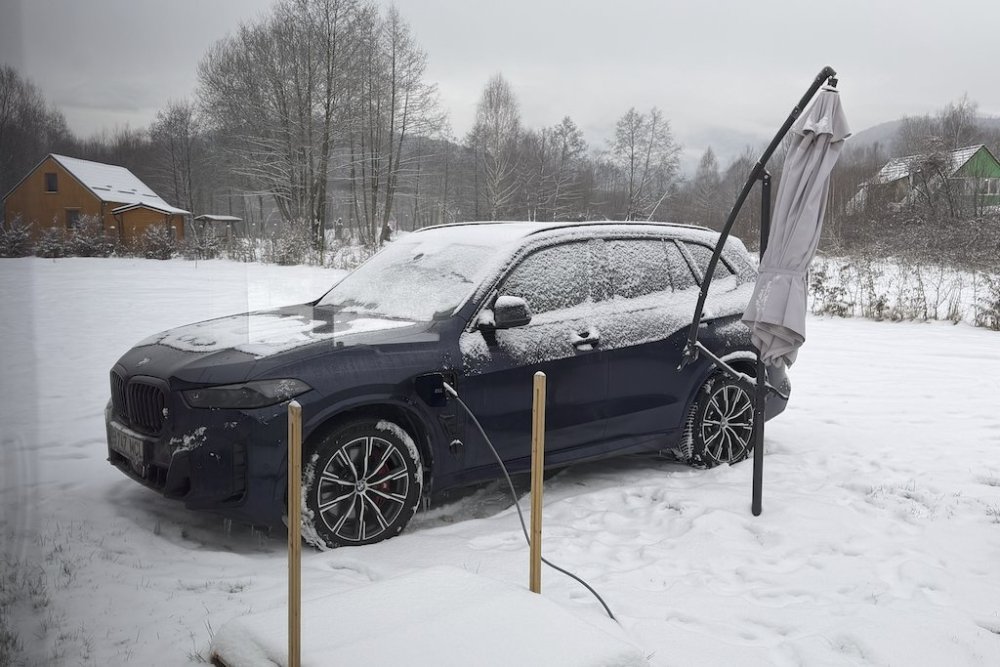
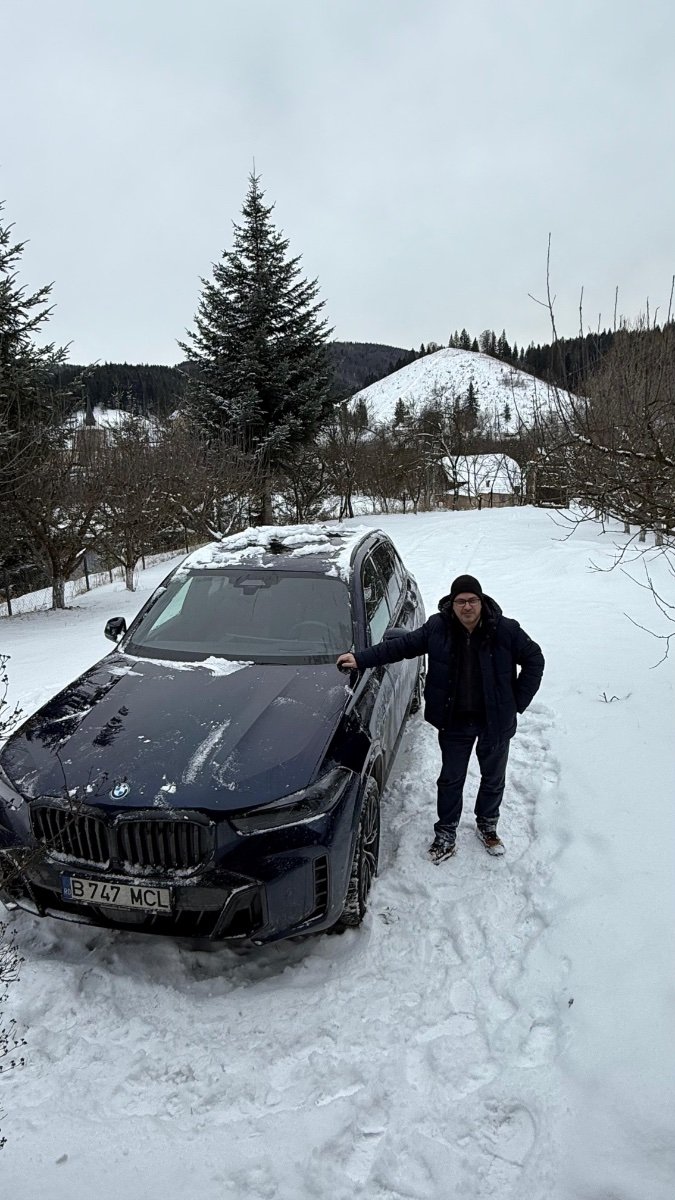
Încă o săptămână, încă 1.100km. Mașina asta nu poate sta locului.
 1 point
 -
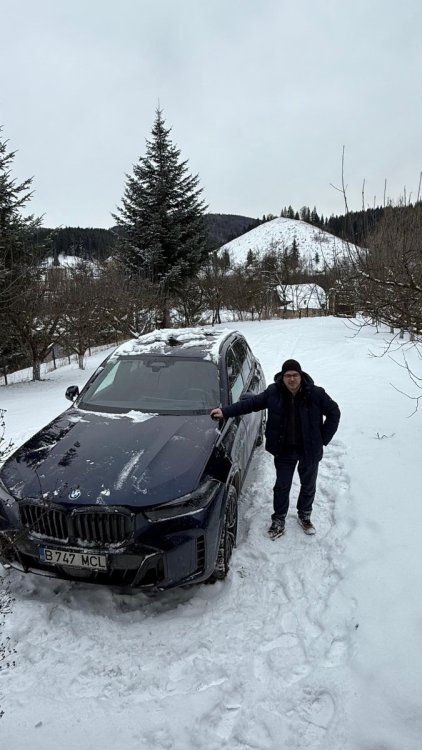
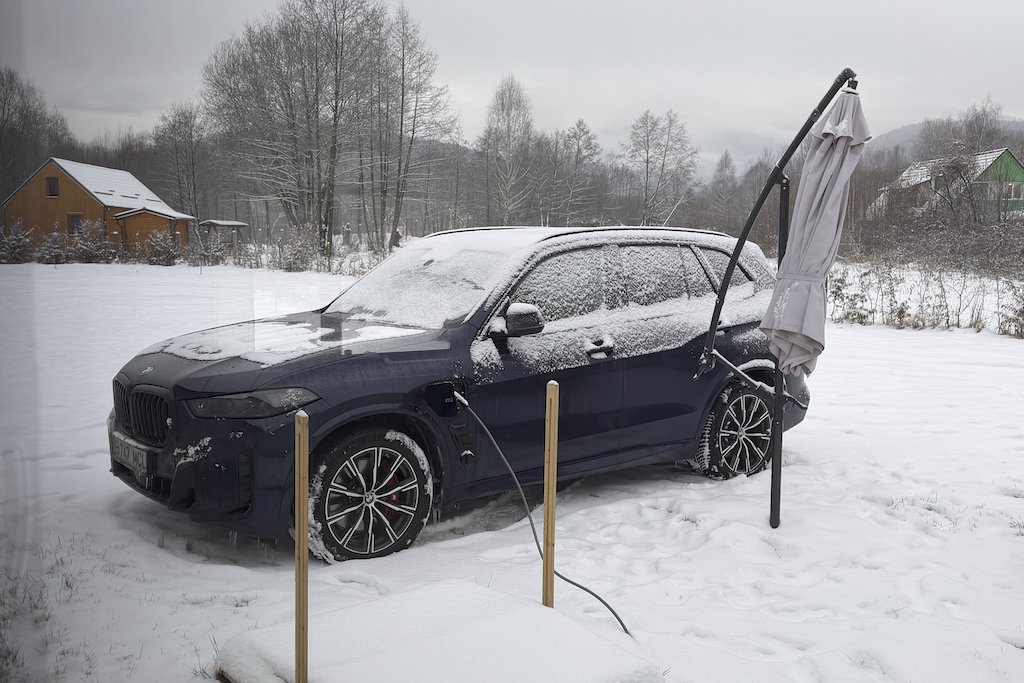
M-am întors ieri după o excursie de 1800km. Foarte mulțumit de cum trage mașina; trecerile între electric - benzină și invers sunt foarte line. Consumul pe cei 1800km din care circa 450km autostradă (unde am mers 150km/h pe tempomat) a fost de 8.2l/100km + 7.2kWh/100km. Transformând kWh în litri, în funcție de cât am plătit pentru ei rezultă un consum total de 8.9-9.0l/100km. Excelent din punctul meu de vedere. Mers normal, nicidecum la consum, cu depășiri, doar în mod hibrid, nu sport. Am reușit să fac 4300km într-o lună, 2300km electric, 2000km pe benzină. Deci aș putea spune că am trecut de primul rodaj, o să încerc să mă bucur treptat mai mult de motor. Sunetul lui B58 este muzică pentru ureche. Ce am constatat este că mașina se murdărește foarte repede de la ce aruncă roțile; în special partea din spate (hayon-ul). De asemenea trebuie mare atenție la praguri; nefiind acoperite de portiere se murdăresc și te murdărești pe pantaloni dacă nu ești atent.
 1 point

This leaderboard is set to Bucharest/GMT+02:00